
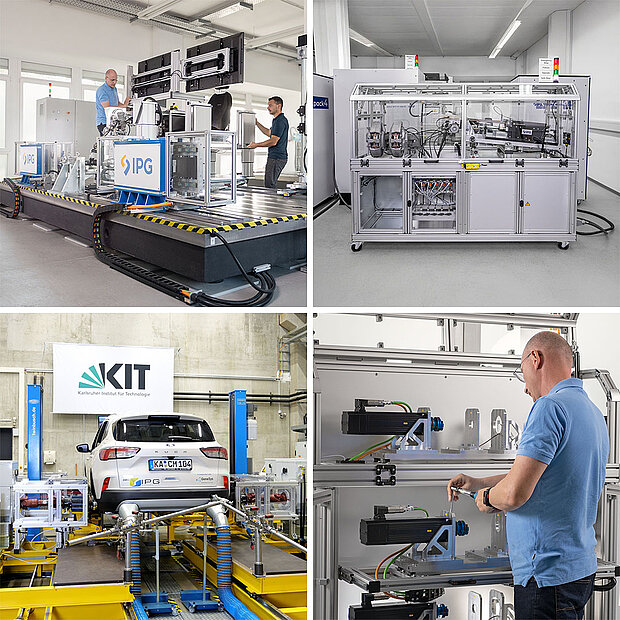
Efficient validation of complex systems with turnkey HIL solutions
Hardware-in-the-loop (HIL) tests are an important and necessary milestone for ECU and function development on the way to series production. Every system under test has specific requirements. From single ECUs to control units in their network to complete mechatronic test benches: We offer a turnkey test system package tailored to our customers’ needs including software, hardware and engineering services. Our test system portfolio covers the entire process from fail-safe tests and functional tests to start-up. If you are facing the challenge of efficiently validating complex systems such as ADAS or even powertrains, our solutions offer support.
Main application areas for test systems
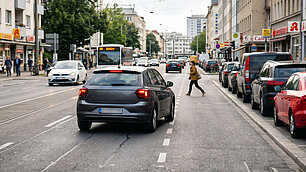

In terms of both vehicle safety technology and regulations, the development of modern ADAS and automated driving functions places high demands on testing and validation. This not only applies to the ADAS functions themselves but also to related vehicle dynamics control systems. As ADAS capabilities and function interaction increase, the complexity and validation effort associated with the interfaces to braking and steering systems also grow. Comprehensive verification of their interaction and overall system performance is therefore needed.
- System complexity driven by E/E architecture, software and automated control functions
- New requirements related to steer-by-wire and brake-by-wire systems
- High variety of variants across platforms and vehicle derivatives
- Increasing requirements from NCAP and homologation
- Limited availability of physical test resources
- Increasing time pressure leading up to series production approval
With our comprehensive test system solutions, end-to-end validation of vehicle functions from early development through to homologation becomes possible:
- Combination of MIL, SIL, HIL and vehicle-in-the-loop (VIL)
- Integration of virtual models for vehicles, sensors and the environment
- Automated and reproducible test execution
- Scalability across projects, variants and development stages
- Integration into existing toolchains and processes
Brake and steering systems in the context of Level 2+ ADAS
Driver assistance systems such as automatic emergency braking (AEB), lane keeping assist (LKA) and blind spot detection (BSD) must function reliably in a wide range of dynamic traffic situations. Besides validating sensor performance, it is essential to verify the interfaces to brake and steering systems that execute the vehicle response.
As the number and complexity of ADAS functions grow, increasing validation effort is required to ensure reliable interaction between ADAS software and brake and steering components, including its ECUs.
Ensuring robust system performance therefore requires systematic, reproducible and scalable validation approaches under realistic conditions.

Validation challenges
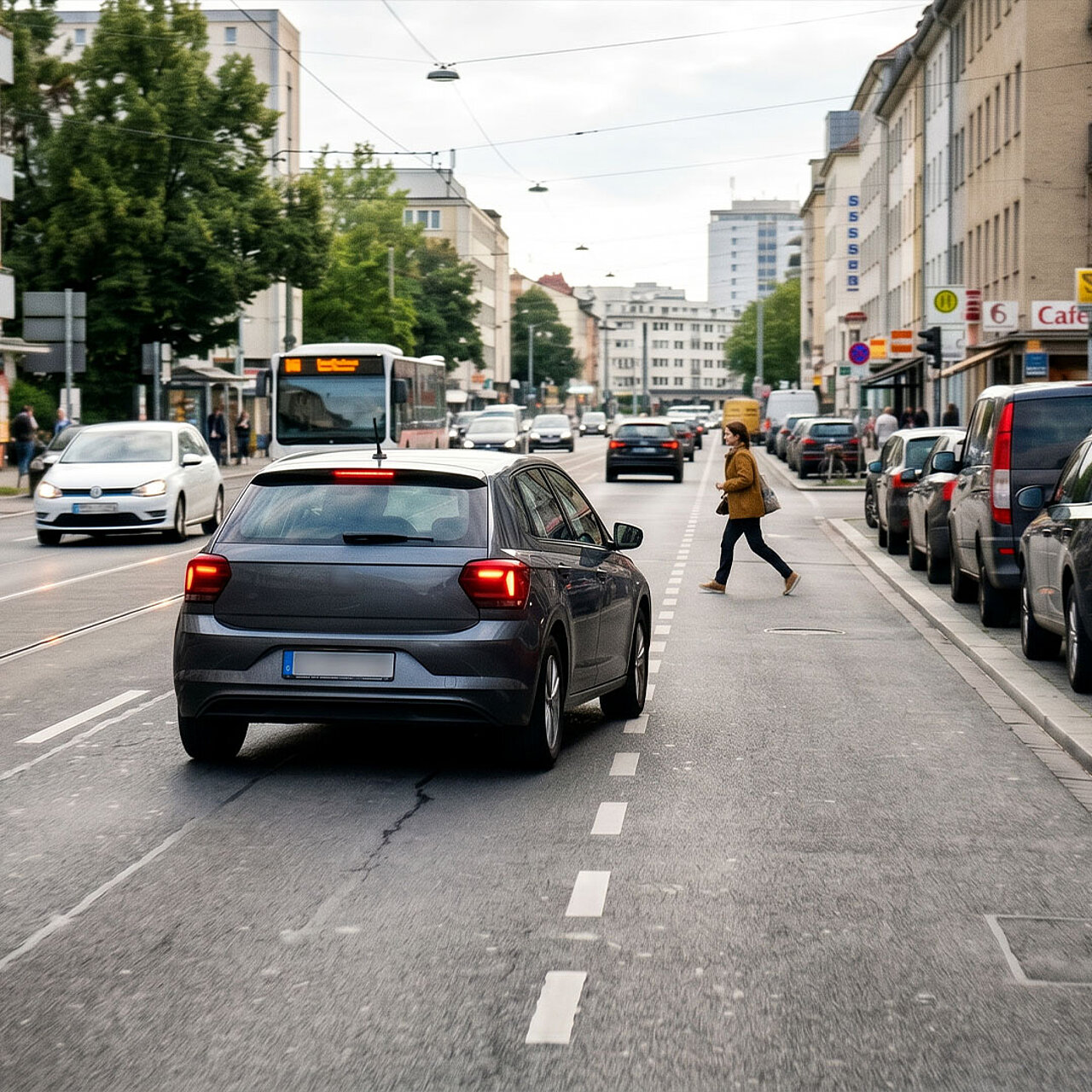
- Verification of ADAS functions and vehicle dynamics interfaces in complex NCAP and real-world traffic scenarios
- Evaluation of steering and lane-keeping functions in extreme conditions
- Handling of rare but safety-critical edge cases
- Lack of reproducibility in real-world test driving
- Significant effort required for regression testing during software updates
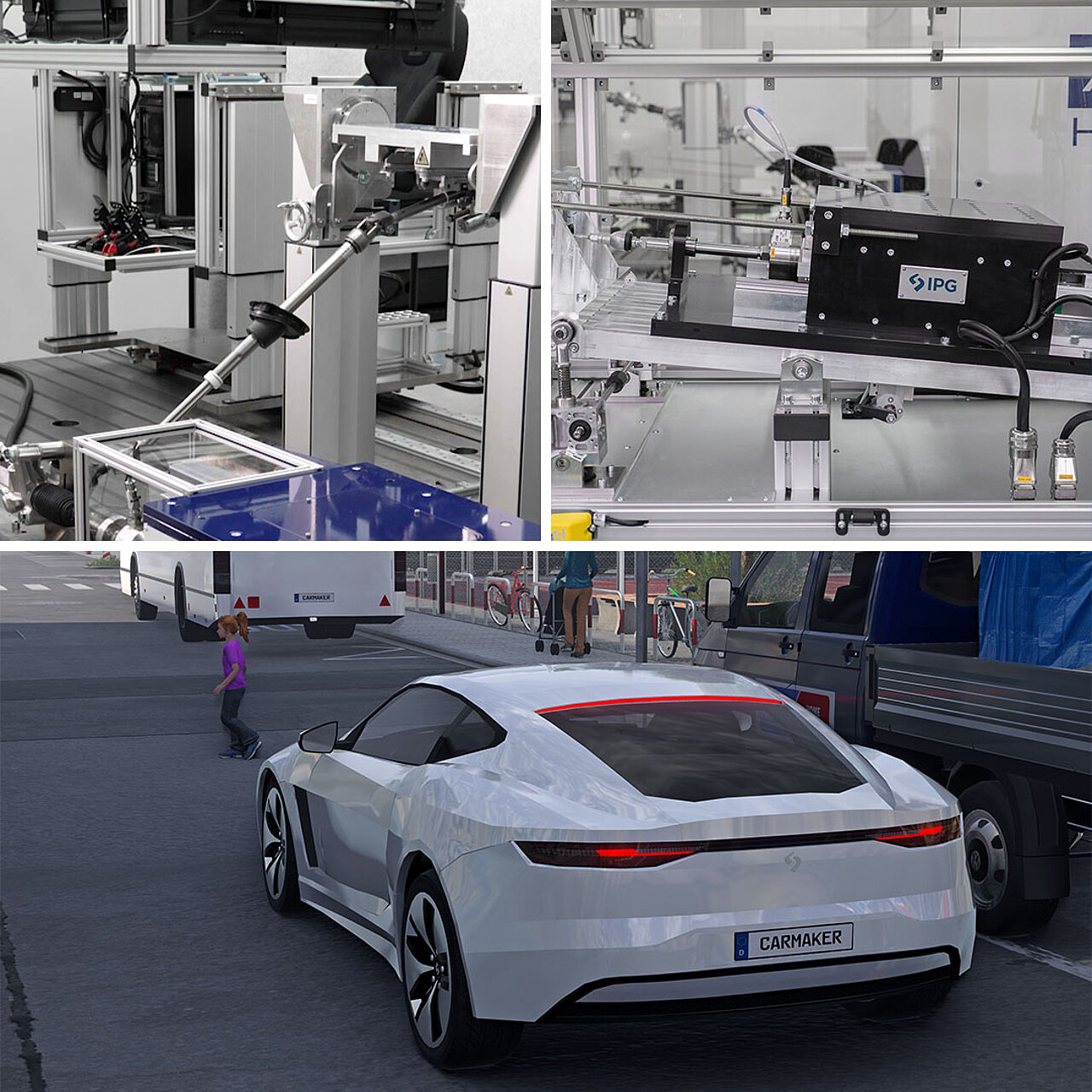
- Integrated test systems for ADAS and vehicle dynamics control validation throughout all stages of development
- Scenario-based testing of ADAS functions and their interaction with brake and steering systems
- Validation of vehicle dynamics control interfaces in NCAP-relevant and customer-specific scenarios
- Use of virtual environments to expand test coverage
- Combination of real and virtual components (e.g. HIL, VIL)
- HIL and mechatronic test benches for steer-by-wire and brake-by-wire systems
- Automated execution and evaluation of test campaigns
- Reuse of test cases across different projects
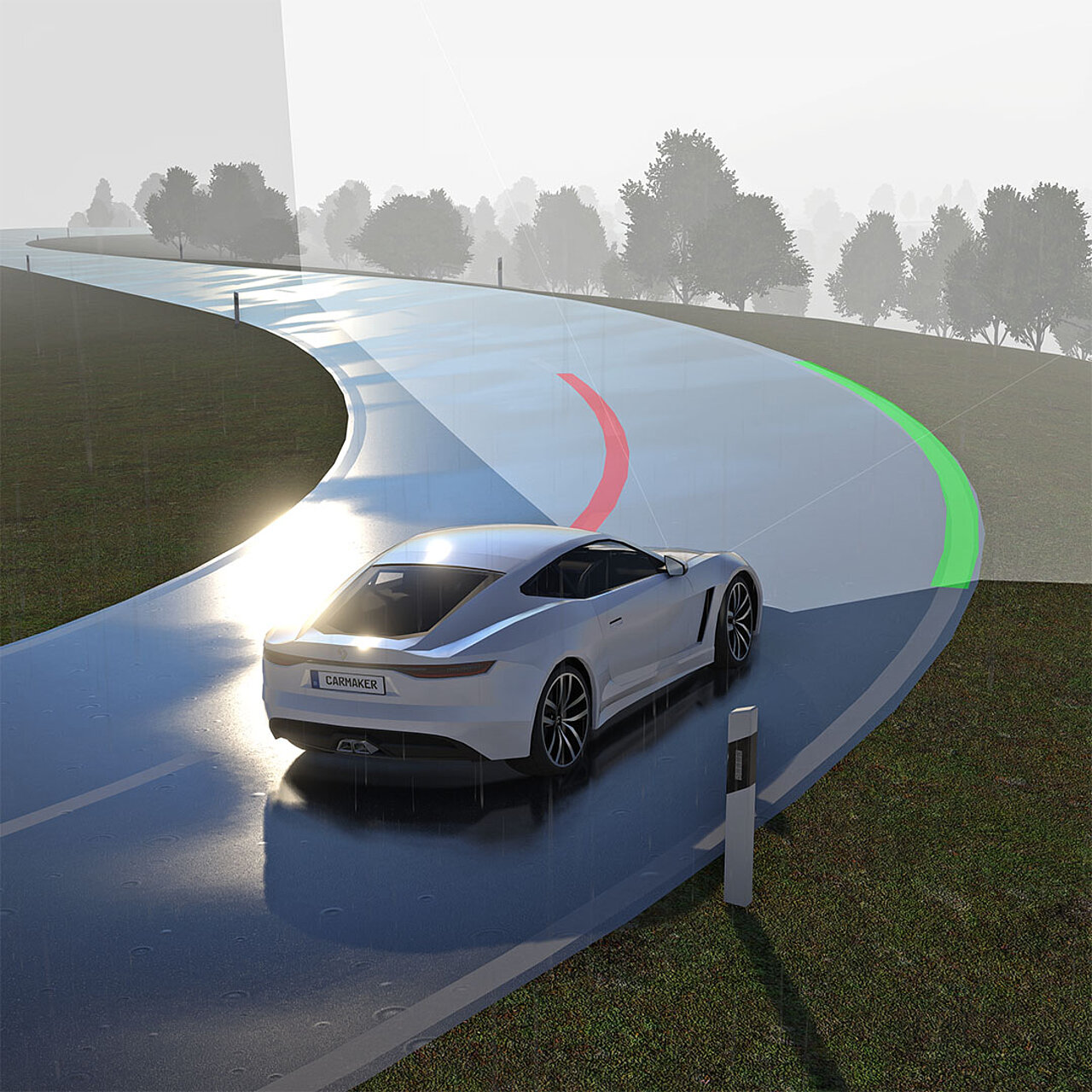
- Validation of ADAS intervention with brake and steering systems in NCAP-relevant scenarios
- Testing and validation of ADAS/AV functions in early development stages with less dependency on mechanical components, e.g. with SBW-in-the-Loop
- Testing of vehicle dynamics control interfaces during autonomous driving and automated braking
- Highly dynamic test solution for calibration and system optimization
- Troubleshooting ADAS-related ECU behavior from the real road into the lab by integrating real steering and brake systems
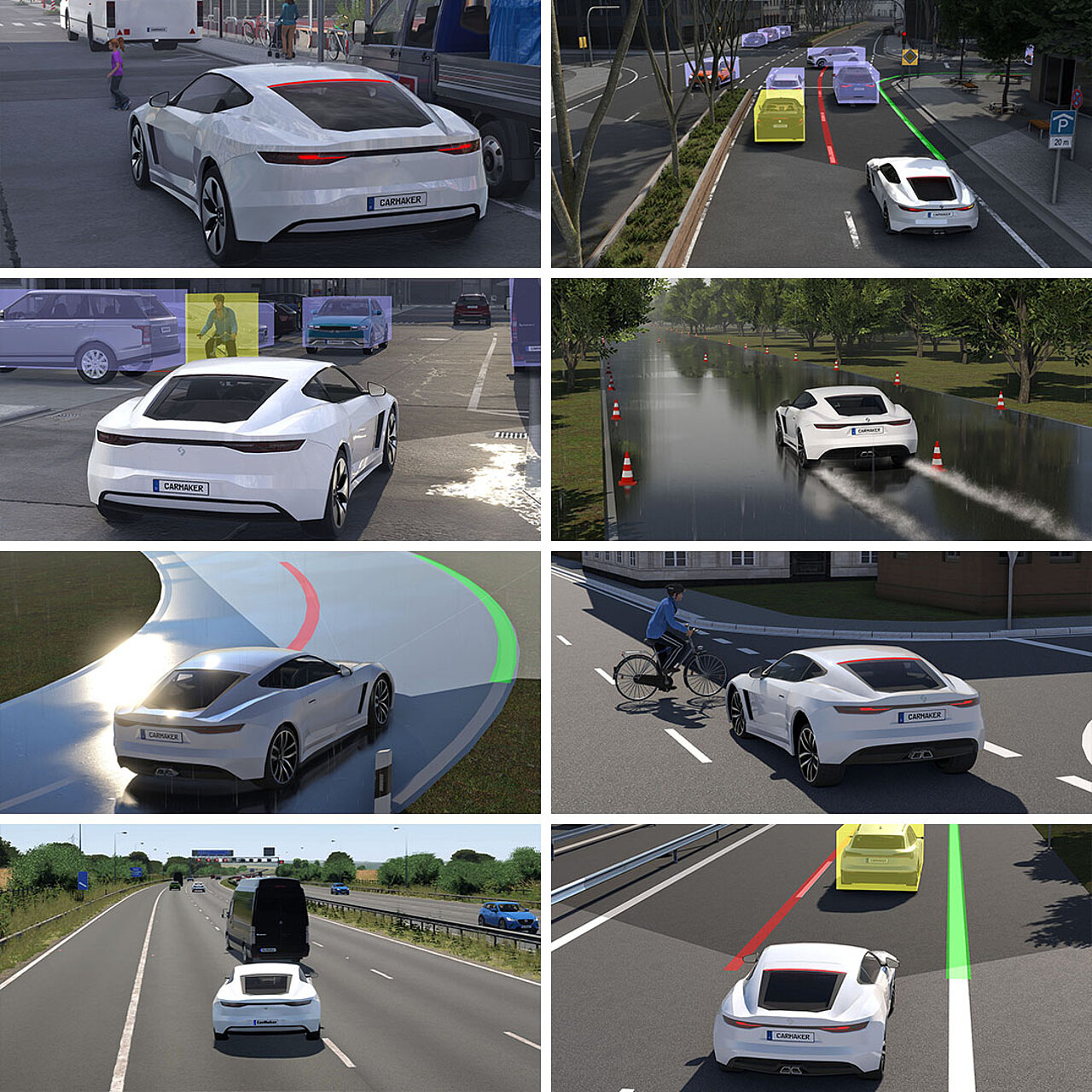
- Greater test coverage through virtual scenarios
- Reproducible test results
- More efficient validation of safety-critical functions
- Reduced effort for physical testing
“We will see a drastically reduced dependency on physical test vehicles.”
Brake- and Steering-in-the-Loop: Integrated test system at Polestar
In collaboration with Polestar, an integrated test system has been developed to validate brake, steering and chassis functions – with a focus on highly networked vehicle dynamics systems.

Requirements for brake and steering system validation:
- Realistic testing of complex system interactions
- Reproducible conditions for validation and calibration
- Reduction of time-consuming vehicle tests
Polestar relies on a combined brake- and steering-in-the-loop test system that integrates real and virtual components:
- Combination of hardware and simulation
- Modeling of complete vehicle systems
- Use across multiple development phases
- Significant reduction of physical test vehicles
- Reproducible test conditions for system validation
- More efficient development and testing processes
- Early fault detection and optimization of functions
Virtual endurance testing on the test bench
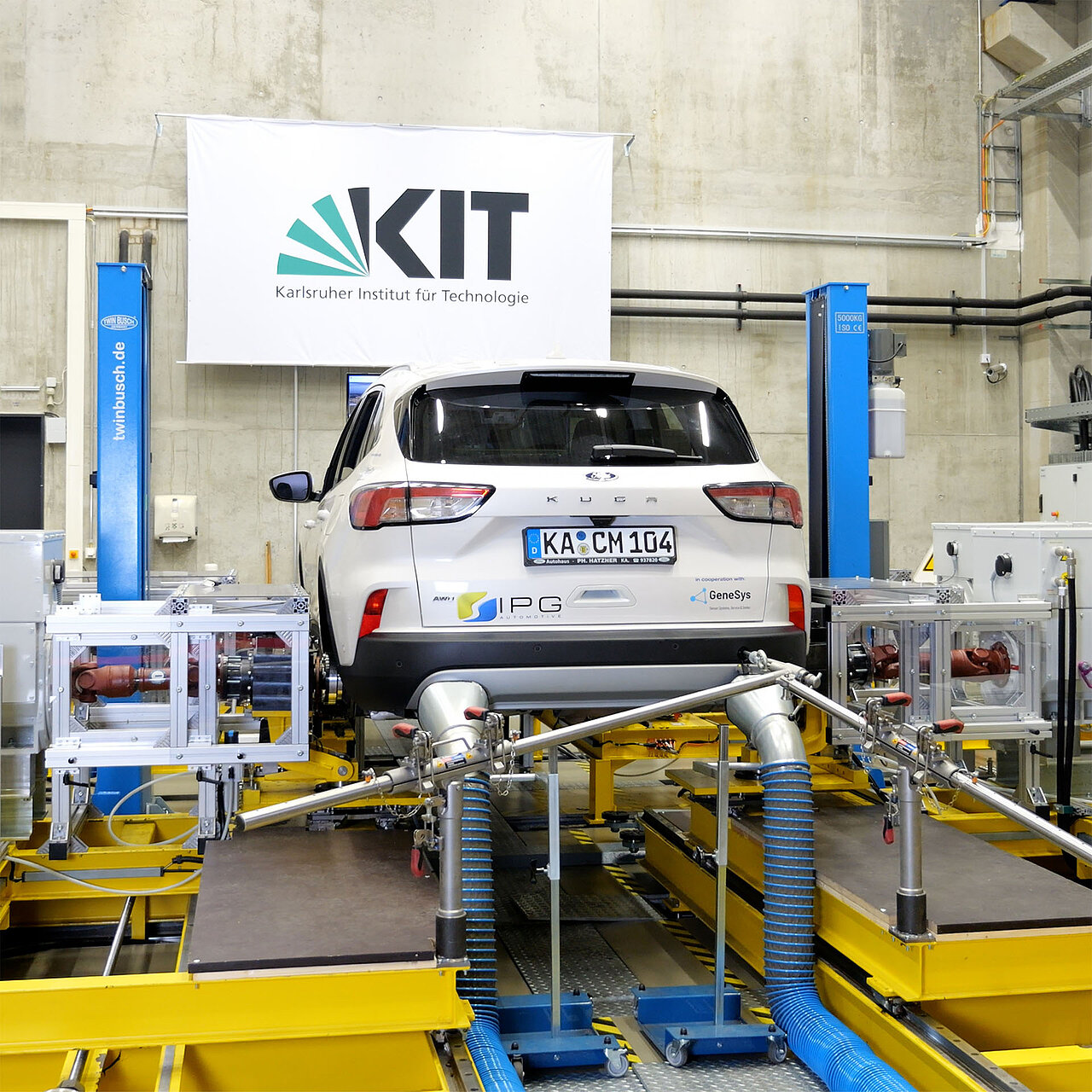
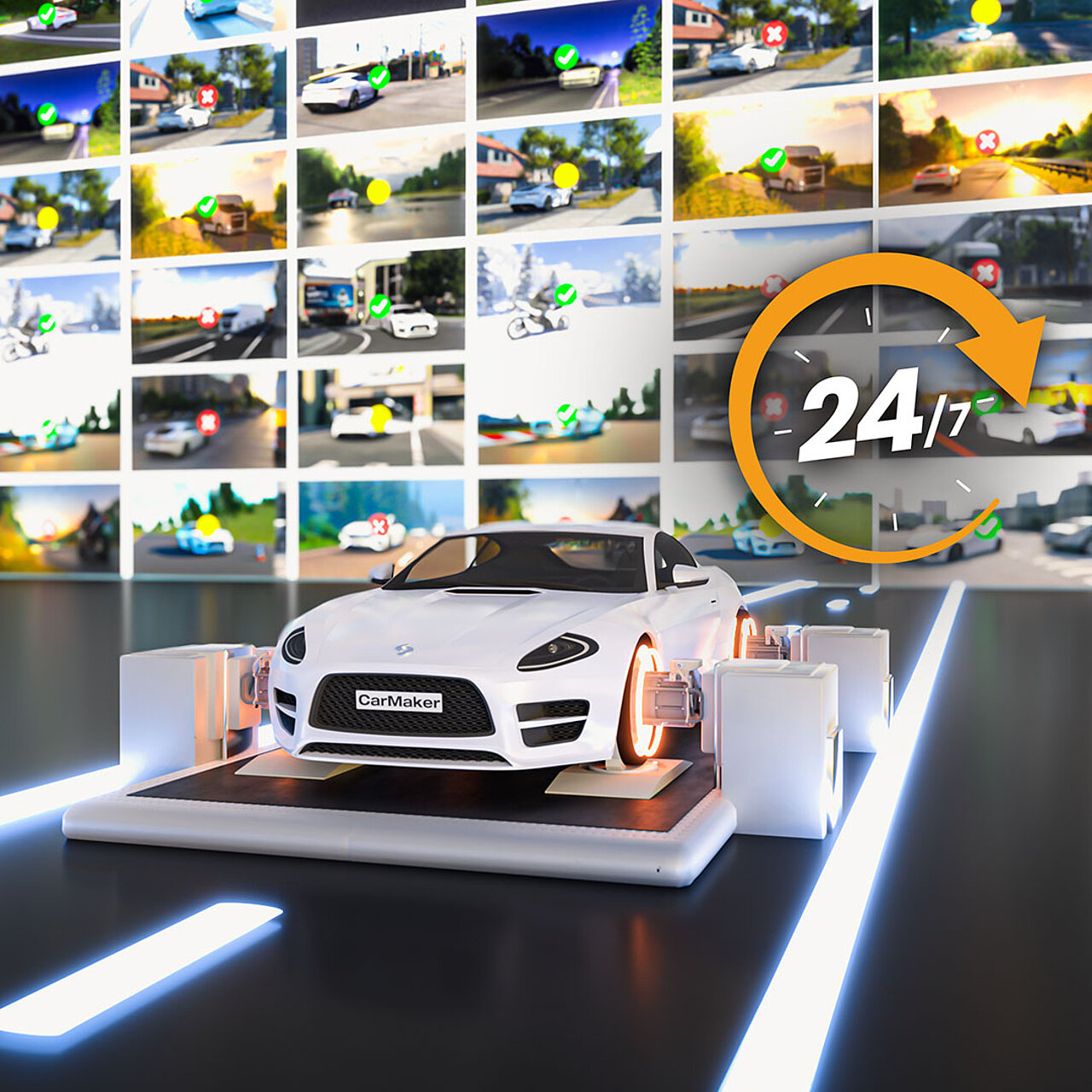
Virtual endurance tests performed on the test bench shift traditional road-based endurance testing into a controlled, virtual vehicle environment. Real powertrains are operated manually on the test bench and coupled in real time with complete vehicle simulation. This enables the evaluation of service life, robustness and energy management under realistic and fully reproducible conditions independently of vehicle availability, weather or traffic in early development stages.
Conventional
endurance tests

- Limited availability of prototypes combined with increasing variant diversity
- High time and cost effort due to logistics, personnel and infrastructure
- Low reproducibility caused by weather, traffic and environmental influences
- Incomplete coverage of relevant load collectives within limited test durations
- Rising system complexity due to electrification, software dependencies and thermal interactions
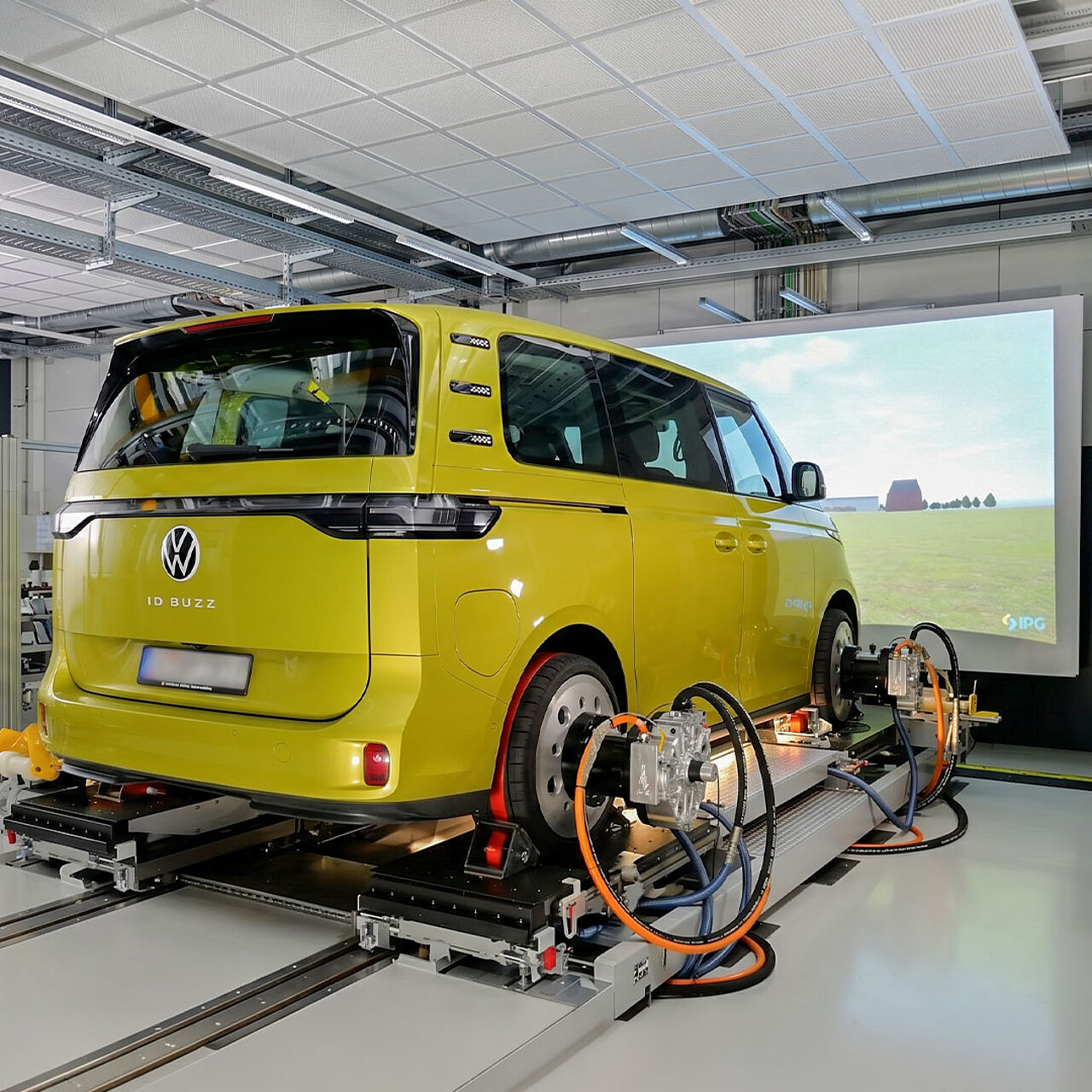
- Transfer of road-based endurance tests to a simulated test bench environment
- Integration of physical powertrain with modeled virtual assets to create a holistic and realistic system context
- Full controllability and reproducibility of key influencing factors as road type, traffic density or driving behavior
- Automation and repeatability of test scenarios adapted to different powertrain variants
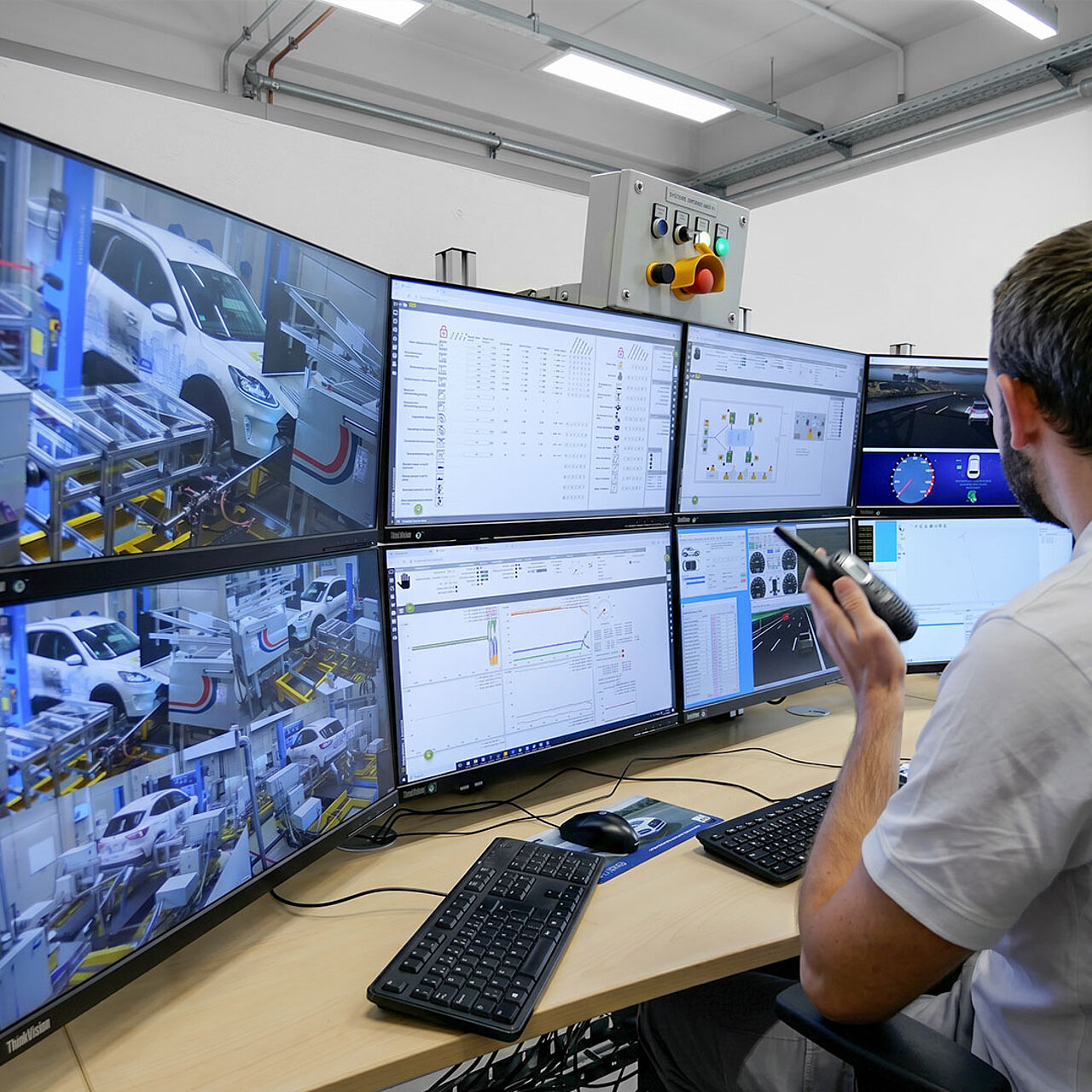
- Real-time coupling of test bench automation and CarMaker Testbed
- Closed control loop between physical powertrain and virtual vehicle environment
- Support for two-wheel or four-wheel drive configurations
- Simulation of vehicle dynamics, driver behavior, traffic and environmental conditions
- Import of real road data via HERE HD Live Maps/OpenDRIVE®
- Parameterizable driver models to represent different customer and usage profiles
- Millisecond-level data exchange to ensure real-time capability and reproducibility
- Endurance and robustness validation of electric and hybrid powertrains including mechanical, thermal and electrical aging effects
- Assessment and optimization of powertrain energy management under realistic long-distance and mixed-traffic scenarios
- Comparison of software versions, control strategies and calibration statuses under identical and reproducible operating conditions
- Validation of extreme operating scenarios such as urban stop-and-go traffic, mountain roads, towing operation or adverse weather conditions
- Reduction of physical road testing and prototype usage while increasing test coverage, data quality and overall development efficiency
- Reduce test time, logistics and dependency on weather
- Automation capability: Drive ready prototypes and tracks 24/7
- Early-stage validation in MIL, SIL, HIL and powertrain-in-the-loop environments long before complete vehicles are available
- Full insight into perception, control and timing
- Deterministic, repeatable evidence by objective pass/fail criteria
- Critical and crash-imminent scenarios can be tested without risk