Building robust system behavior through open-loop testing
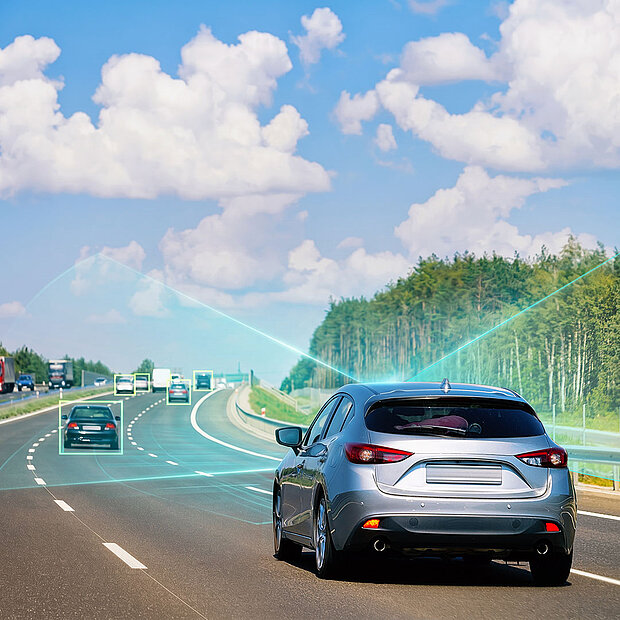
Open-loop testing offers a powerful way to evaluate perception algorithms, sensor fusion models and decision-making logic without a feedback loop closed by the system under test. By feeding predefined inputs into a function or ECU, development teams can precisely analyze performance, uncover weaknesses and compare variants under fully reproducible conditions. Ideal for early development stages, component benchmarking and rapid iteration cycles, open-loop testing reduces complexity while accelerating insights. It lays the groundwork for robust system behavior long before integrating and testing a closed-loop system.
Data
logging
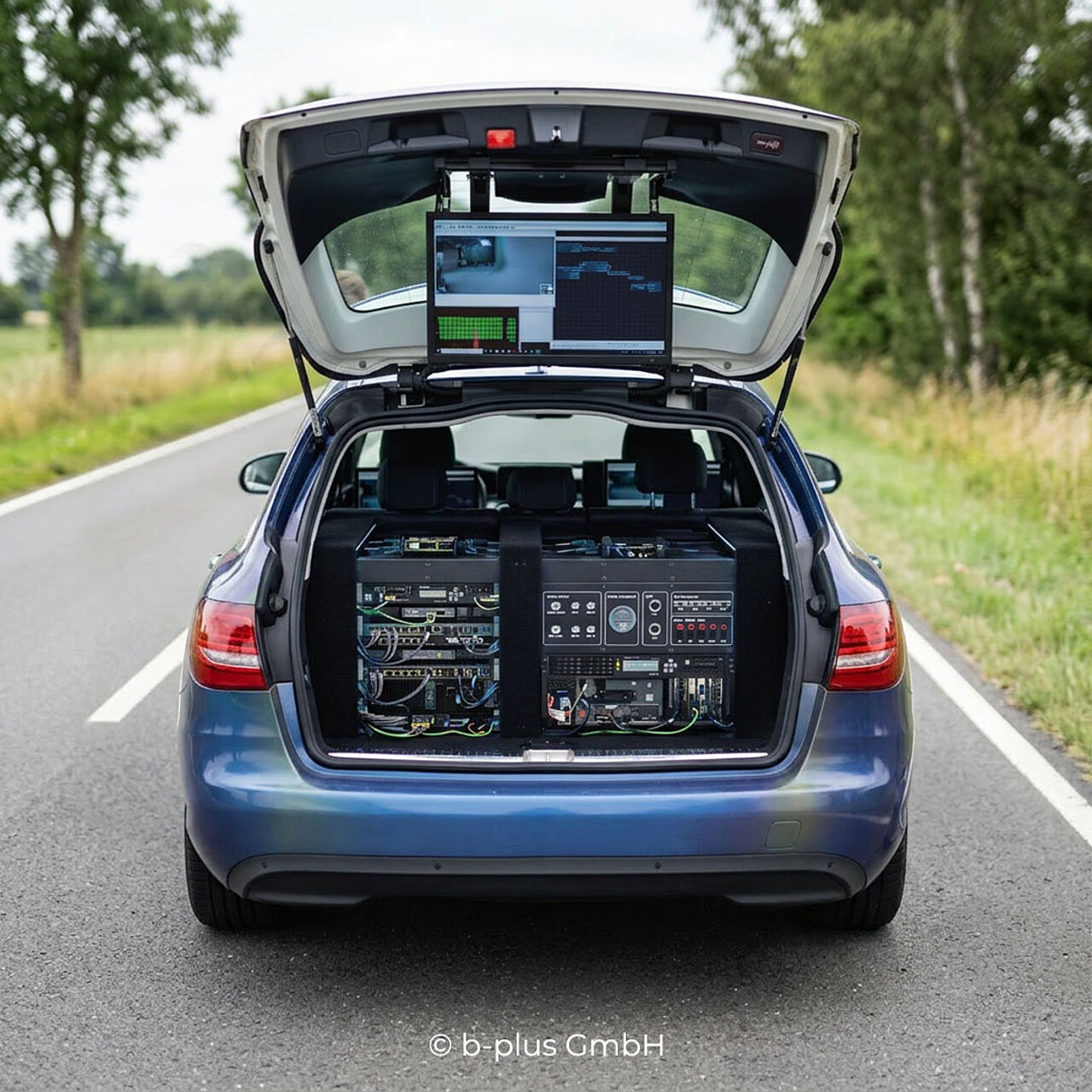
Data logging captures raw sensor signals, environment information and ECU outputs during real or simulated drives. The collected data provides the foundation for algorithm development, validation and troubleshooting. High quality logging ensures that critical edge cases and rare scenarios are preserved for future test cycles.
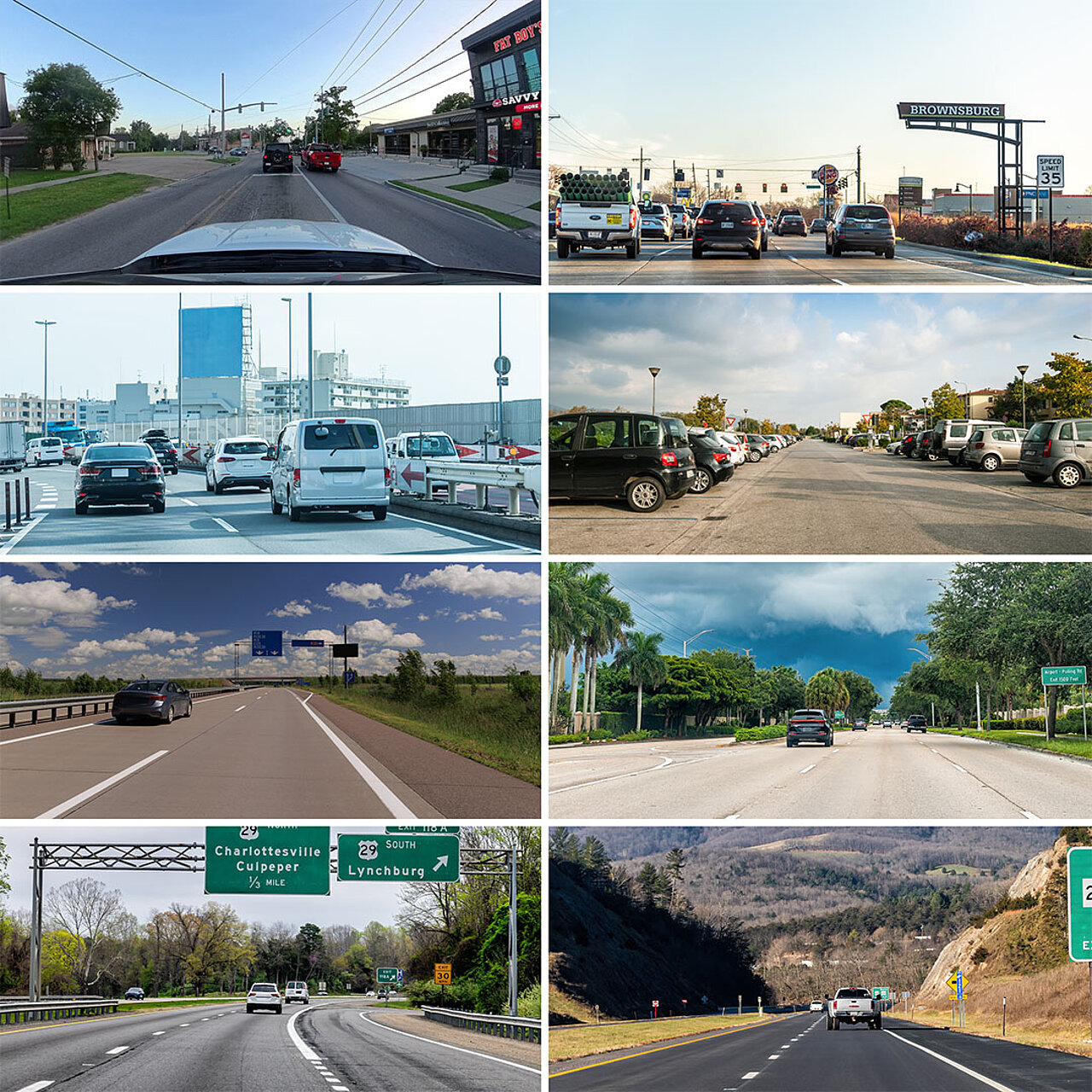
Data management helps to organize, store and index large volumes of sensor data such as camera, lidar and radar streams as well as bus communication. This ensures efficient retrieval of relevant datasets and supports scalable development workflows. Proper management also ensures data integrity and traceability across multiple development iterations.
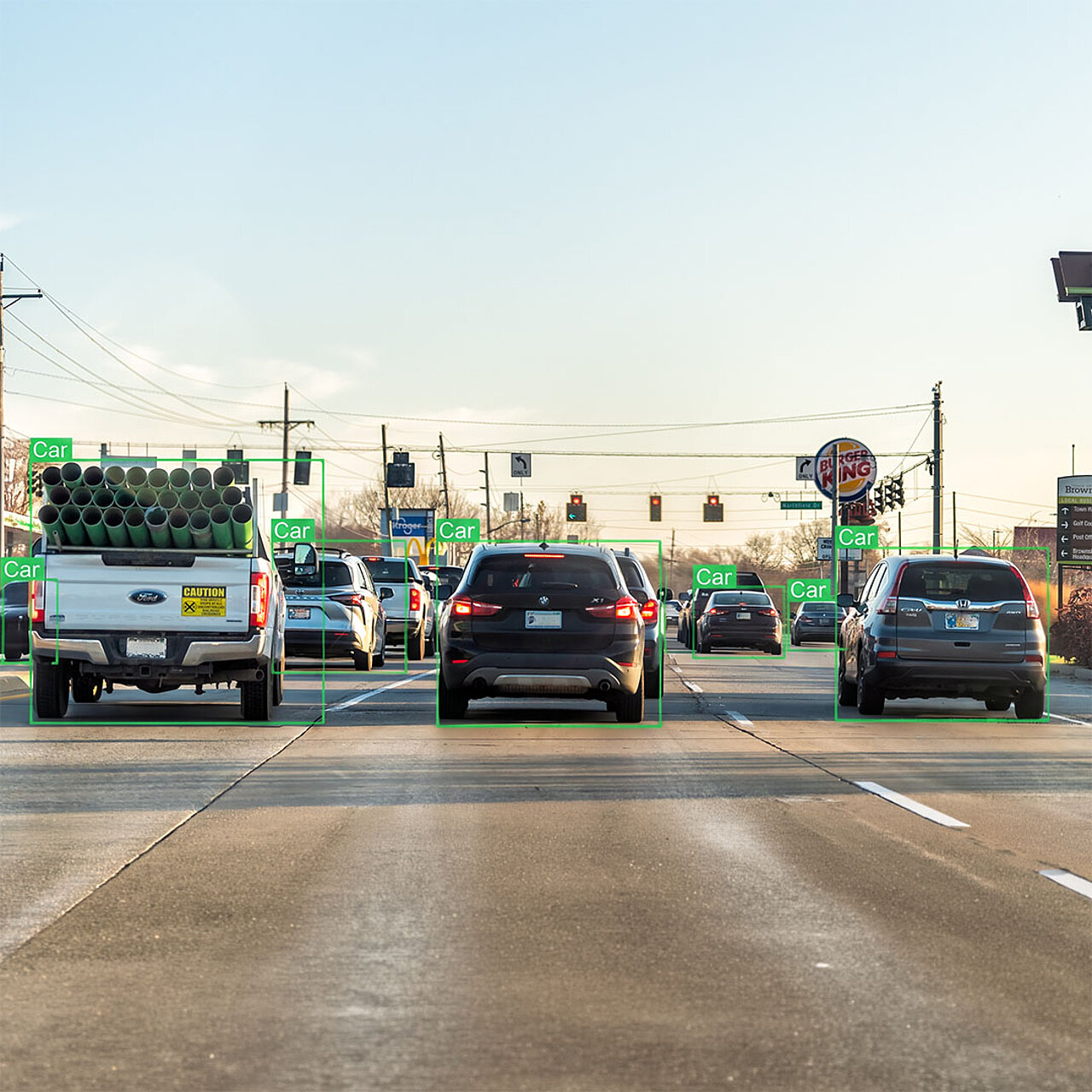
During data annotation, labels or metadata is added to raw sensor data – for example to identify objects, lane markings or behavior triggers. These annotations enable supervised learning and accurate evaluation of perception algorithms. Consistent and high quality labeling significantly improves model performance and reduces the need for costly retraining.
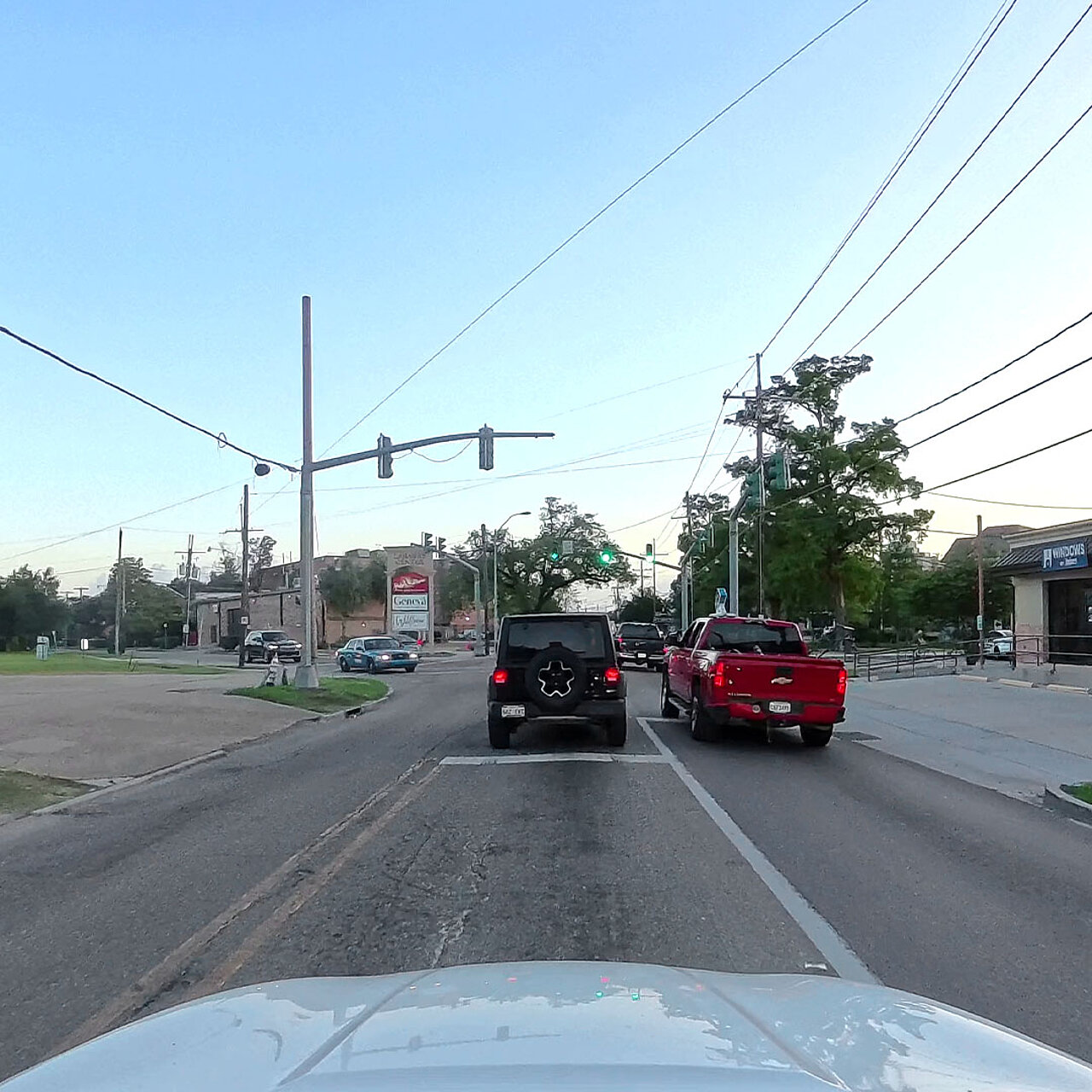
With data replay, previously recorded sensor data is reinjected into an ECU, software function or simulation environment. This enables deterministic and repeatable testing of algorithms under identical conditions, independently of real world constraints. Data replay accelerates debugging, benchmarking and regression testing by removing variability from test runs.
Use cases
Replay of real-time sensor and bus data
A key prerequisite of data-driven development is the faithful reproduction of recorded scenarios. This requires highly precise temporal synchronization of all data streams: Every single bus message, every sensor data point and every image must be replayed exactly at the time at which it was originally recorded. Only then can the temporal interaction of the individual signals be accurately reproduced and realistic system behavior ensured. To extract and reuse these data from real-world operating scenarios, the software suite SensFlow can be used. The suite processes both raw sensor data (e.g. camera, radar or lidar data) and bus data (e.g. CAN or Ethernet). These data are prepared in such a way that they can be injected into electronic control units via the corresponding hardware-based interfaces.